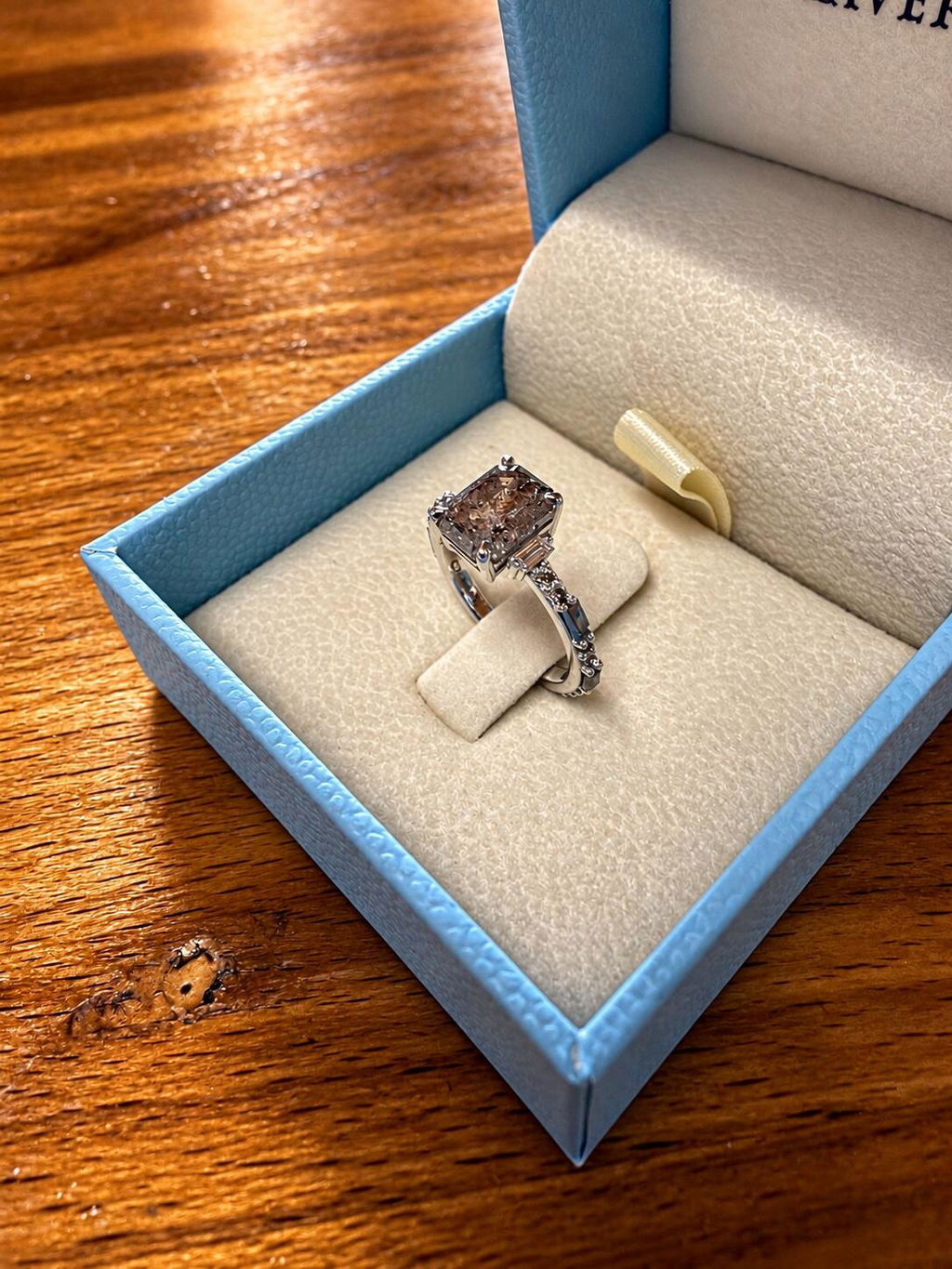
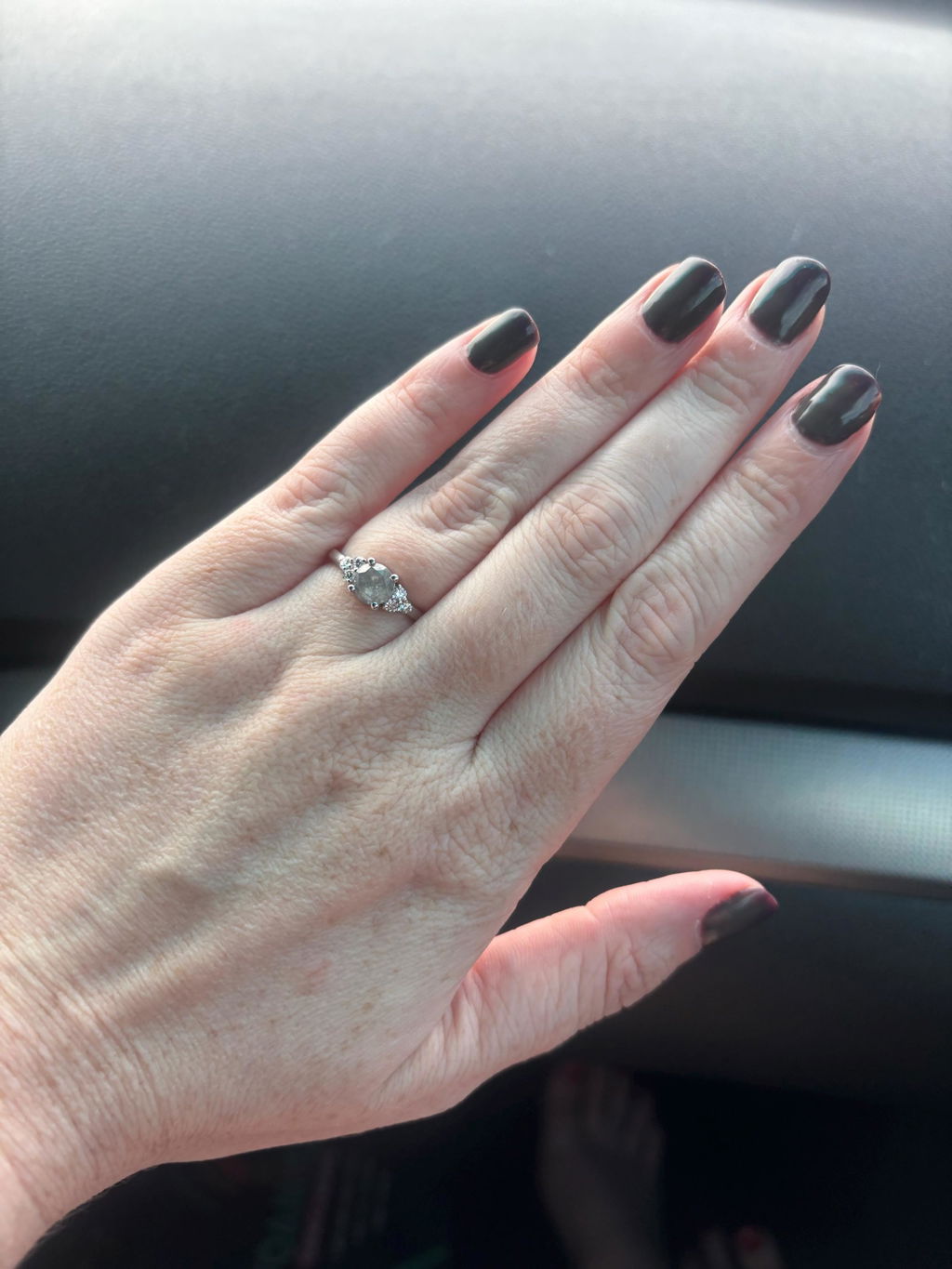
10 Best Non-Diamond Engagement Stones

Key Takeaways
-
Non-diamond engagement stones offer more freedom to balance personal style, durability, color, and budget.
-
Moissanite is a popular stone similar to diamond, while sapphires and other gemstones bring their own distinct character.
-
The best alternative stone engagement rings suit the wearer’s lifestyle as well as their taste.
When many people picture an engagement ring, a bright diamond is the first image that comes to mind. While Diamonds remain a meaningful choice, they are no longer the sole path to a lasting ring.
More couples are exploring non-diamond engagement stones because they want a ring that feels personal rather than predictable. Budget, sourcing, color, and individuality can all shape the decision.
The growing range of diamond alternative engagement rings makes it easier to find a design that reflects your relationship. Some stones resemble diamonds, while others stand apart through rich color or natural patterning. From moissanite to sapphire to opal, alternative stone engagement rings offer many ways to create a piece with personality. The right choice should fit your story and daily life.
What to Consider When Choosing a Diamond Alternative
Before comparing specific non-diamond engagement stones, consider how the ring will be worn. The best choice will feel beautiful while meeting the practical demands of your daily life. These alternative engagement ring stones differ in hardness, care needs, appearance, and price. Understanding those differences helps you choose with confidence.
Your Budget
A diamond alternative may leave more room in your budget for a larger center stone, a handmade setting, or custom details. But prices will vary based on stone quality, size, treatment, and origin. When comparing alternative stone engagement rings, look beyond the lowest price. A secure setting and skilled craftsmanship matter for a ring intended to be worn for years.
Stone Durability
An engagement ring must handle regular wear. Hardness measures resistance to scratching, but setting style, stone structure, and protection from impact also affect durability. Hands-on work, exercise, and household tasks may expose a ring to force or chemicals. A jeweler can help match the stone and setting to your routine.
Stone Origin
Ask whether a stone is natural or lab-created and request clear information about treatments or sourcing. These details help you make a choice that aligns with your priorities.
Lab-created stones may provide a different sourcing path, but each stone category should be assessed on its own. Natural gemstones can also be chosen through trusted suppliers.
Appearance and Personal Style
Some shoppers want a colorless stone with familiar brilliance, while others are drawn to blue, green, pink, or purple stones that make the ring unmistakably their own. Think about the metal, setting, and wedding band as part of the full design. A stone’s color and shape can change greatly when placed in yellow gold, white gold, or platinum.
Our Best Diamond Alternative Pick
Moissanite

For shoppers seeking a stone similar to diamond, moissanite is one of the strongest options. It offers high brilliance, excellent scratch resistance, and a more accessible price than many diamonds.
Moissanite is its own gemstone and should not be described as a diamond. Most moissanite used in fine jewelry today is created in a laboratory. Its sparkle often shows more colorful flashes than a diamond. This lively appearance makes unique moissanite engagement rings especially appealing to people who enjoy visible brilliance.
Among non-diamond engagement stones, moissanite is well suited to frequent wear. It still benefits from a protective setting and sensible jewelry care.
Top 10 Alternatives to Mined Natural Diamonds
This list includes nine non-diamond engagement stones, as well as lab-grown diamonds as an alternative to mined natural diamonds. Each option offers a different balance of brilliance, color, care, and value. There is no single best choice for every couple. The appeal of alternative stone engagement rings comes from being able to choose according to your own priorities.
1. Lab-Grown Diamond

Recommended Product: Lab Diamond Rings
A lab-grown diamond has the same crystal structure and hardness as a natural diamond, but it has a different origin. It is created in a controlled laboratory rather than formed in the earth. It can offer familiar brilliance with a different sourcing and pricing profile.
Explore lab grown diamond engagement rings for handmade designs created around this modern choice.
2. Moissanite
Recommended Product: Moissanite Rings
Moissanite is known for intense fire and a hardness of about 9.25 on the Mohs scale. Its durability and bright sparkle make it a practical option for everyday jewelry.
While many note that it is a stone similar to diamond, moissanite’s appearance is not identical. Those colorful flashes are part of moissanite’s own character and one reason many couples choose it.
3. Sapphire

Recommended Product: Sapphire Rings
Sapphires are best known for blue, but they occur in many colors. Their hardness of 9 on the Mohs scale makes them one of the most durable colored gemstone choices.
Among non-diamond engagement stones, sapphire offers a strong mix of color, history, and daily-wear potential. Quality and price vary based on color, origin, treatment, and clarity.
4. Morganite

Recommended Product: Morganite Rings
Morganite has a soft peach-to-pink color that works well in romantic and understated designs. Rose gold can deepen its warmth, while white metals create a cooler contrast.
With a Mohs hardness of about 7.5 to 8, morganite needs more care than sapphire or moissanite. Regular cleaning may also be needed to keep its pale color looking bright.
5. Aquamarine

Recommended Product: Aquamarine Rings
Aquamarine ranges from pale blue to blue-green and often has a clear, calm appearance. Its light color can feel fresh without copying the look of a colorless diamond.
It measures about 7.5 to 8 on the Mohs scale. A protected setting may be helpful for someone who plans to wear the ring every day.
6. Emerald

Recommended Product: Emerald Rings
Emerald brings a deep green color and a distinctive sense of history. Natural inclusions are common and often contribute to the stone’s individual appearance.
Although emerald ranks about 7.5 to 8 in hardness, it can be more vulnerable to impact than the number suggests. It is one of the non-diamond engagement stones that benefits from mindful wear and sensible precautions.
7. Amethyst

Recommended Product: Amethyst Rings
Amethyst offers rich purple color at an approachable price. Shades range from pale lavender to deeper violet, giving couples several design directions to explore.
At 7 on the Mohs scale, amethyst is softer than many other non-diamond engagement stones. It may be better for careful wear or settings that protect the stone’s edges.
8. Topaz

Recommended Product: Topaz Rings
Topaz is available in several colors, including blue, yellow, pink, and colorless varieties. Its range makes it useful for both traditional and unconventional designs.
Topaz has a hardness of 8, but it can split after a hard impact because of its crystal structure. A secure setting and regular care are important.
9. Ruby

Recommended Product: Ruby Rings
Ruby is the red variety of corundum, the same mineral family as sapphire. Its bold color has long been associated with passion and commitment.
With a hardness of 9, ruby is one of the stronger non-diamond engagement stones. Fine natural rubies can still command high prices, especially when color and clarity are exceptional.
10. Opal

Recommended Product: Opal Rings
Opal is loved for its shifting play of color. Each stone can display a different combination of blue, green, orange, red, or violet flashes.
It is much softer than diamond, sapphire, or moissanite and requires careful handling. Opal can be a meaningful engagement stone for someone comfortable with added maintenance.
Common Mistakes to Avoid
Choosing non-diamond engagement stones should involve more than comparing photographs. A stone that looks beautiful online may not suit every lifestyle or setting.
Choosing Appearance Over Durability
A delicate gemstone can still make a wonderful ring, but it may require more careful wear. Ask how the stone responds to scratching, impact, heat, and cleaning, and be realistic about your ability to commit to maintenance routines.
Focusing Only on Price
Price matters, but so does quality. Don’t get distracted by shiny online photos and unscrupulous dealers that overpromise. Go with a jeweler with experience and a solid reputation for excellent merchandise.
Careless Wear
Some gemstones need gentler handling. If you pick a softer stone like an opal, you need to remove it during heavy work and protect it from harsh chemicals or forceful impact.
Buying Without Clear Information
Work with a jeweler who explains the stone’s identity, origin, treatments, and care needs. Clear guidance is especially important when comparing a stone similar to a diamond, like a moissanite, with a true diamond.
Find a Ring That Feels Like Your Story
The right engagement ring does not need to follow a formula. Moissanite, sapphire, ruby, opal, and other non-diamond engagement stones each bring something different to the design.
Well-made alternative stone engagement rings balance beauty with the practical needs of the person wearing them. That balance is what helps a ring remain meaningful over time.
Braverman Oren combines three generations of jewelry experience with a personal, collaborative approach. Explore our handmade engagement rings or begin a custom diamond ring design with our family team.
Frequently Asked Questions
What is the best diamond alternative for an engagement ring?
The best option depends on your lifestyle and preferred look. Moissanite is a strong stone similar to diamond for those who like that look but not the price, while sapphire is a durable choice for people who prefer something more colorful.
Can non-diamond stones be worn every day?
Many non-diamond engagement stones can suit regular wear, but they do not all have the same durability. Moissanite, sapphire, and ruby are generally more scratch-resistant than opal or amethyst.
How should I choose between different alternative stones?
Compare color, durability, maintenance, sourcing information, and budget. When viewing alternative stone engagement rings, also consider how the setting protects the center stone and fits your daily routine.